Watt Cleveland Knob and Tube offers and manages older-home electrical work in Cleveland and nearby communities. Electrical work is performed by fully licensed and insured contractors.
The receptacle face is not the grounding system
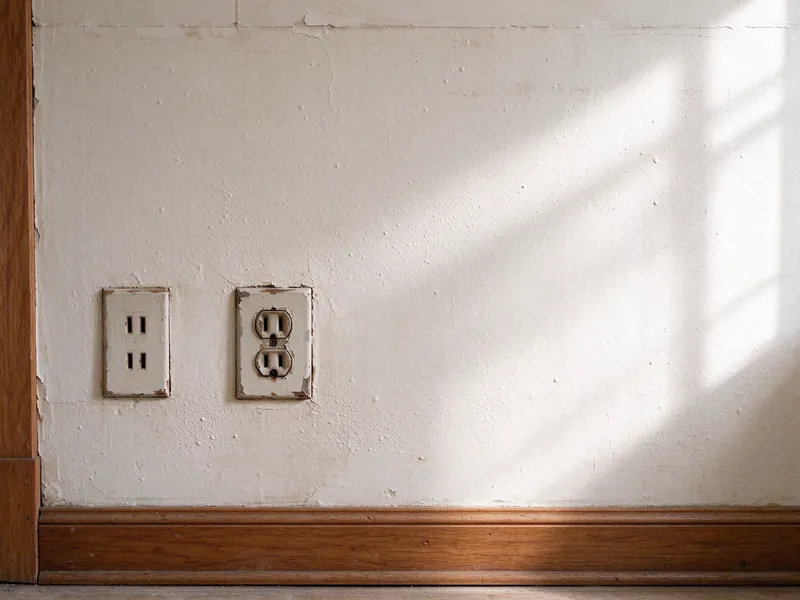
A three-prong receptacle can raise a useful question in an older home: what grounding arrangement is actually behind it? The visible device alone cannot establish an equipment grounding path. That needs to be assessed with the circuit and the installation it is part of.
Watt Cleveland Knob and Tube offers and manages grounding-related work for older Cleveland-area properties, with electrical work performed by fully licensed and insured contractors. The service begins with the specific finding, not an assumption that every outlet needs the same correction. A grounding upgrade can be part of replacement wiring, supporting equipment work or an appropriate correction to an identified installation. The proposal should explain which situation applies.
Understand the protective roles without treating them as substitutes
Equipment grounding and bonding have specific functions within an electrical installation. They help establish appropriate connections and fault-current paths. They should not be reduced to the appearance of a receptacle or a generic promise that a house is grounded.
GFCI protection serves a different purpose from an equipment grounding conductor. AFCI protection addresses another category of electrical concern. A protective device does not create new branch wiring, repair deteriorated insulation or prove that every concealed connection is suitable. These distinctions matter when a recommendation is presented as a solution for old circuits.
The contractor should explain the proposed arrangement in relation to the affected equipment and applicable requirements. This page does not provide a wiring method for homeowners or a blanket approval to adapt an ungrounded circuit for any appliance. The right approach follows the actual installation and intended use.
What an assessment needs to connect
Share the inspection finding or the equipment change that prompted the request. An ungrounded-outlet observation, a panel project and installation of a new appliance may lead to different scopes. Available records can help establish what earlier work intended to change, but they do not replace verification of current conditions.
The assessment needs to consider the relevant circuit, connections and equipment within the agreed visit. A new cable segment may connect to an older section elsewhere. An apparently upgraded room can therefore retain questions that cannot be answered from its devices alone.
Ask the contractor to identify what was established and what remains concealed or inaccessible. If further access is needed, the findings should describe why and how it would affect the next decision. A limited observation should not be presented as a house-wide assessment of grounding and wiring condition.
When new branch wiring is the appropriate scope
Some projects need new grounded circuits rather than a device change at the endpoint. That can involve a route back through finished areas, boxes and equipment connections as part of the proposed installation. The scope should distinguish that work from a limited correction to an existing arrangement.
If K&T is part of the affected circuit, ask how the legacy wiring will be treated. Adding a modern segment does not mean the remainder has been replaced. The proposal should identify the boundary of the work and the condition of wiring left in use.
Supporting panel or service work may also be relevant, but it needs its own assessment. An equipment upgrade should not be described as automatically grounding every retained circuit. Likewise, grounding work alone does not establish that old conductor insulation or previous modifications have been corrected throughout the property.
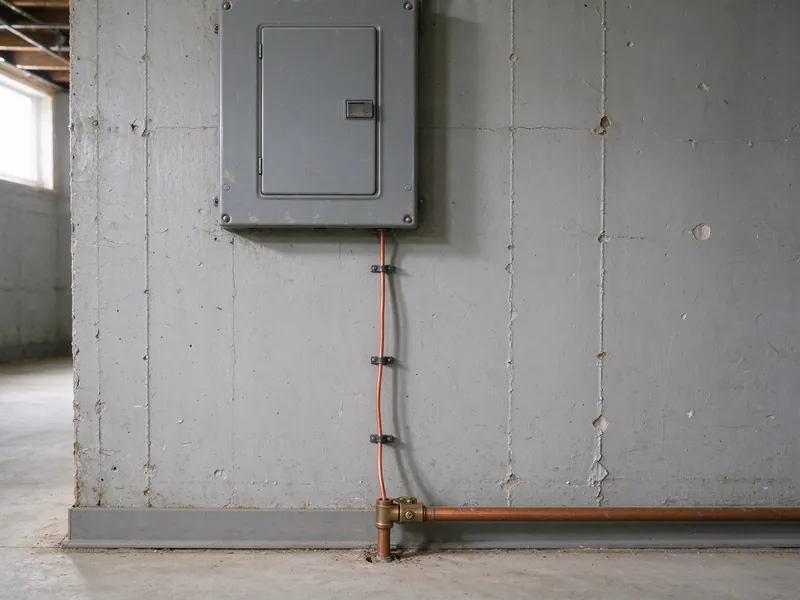
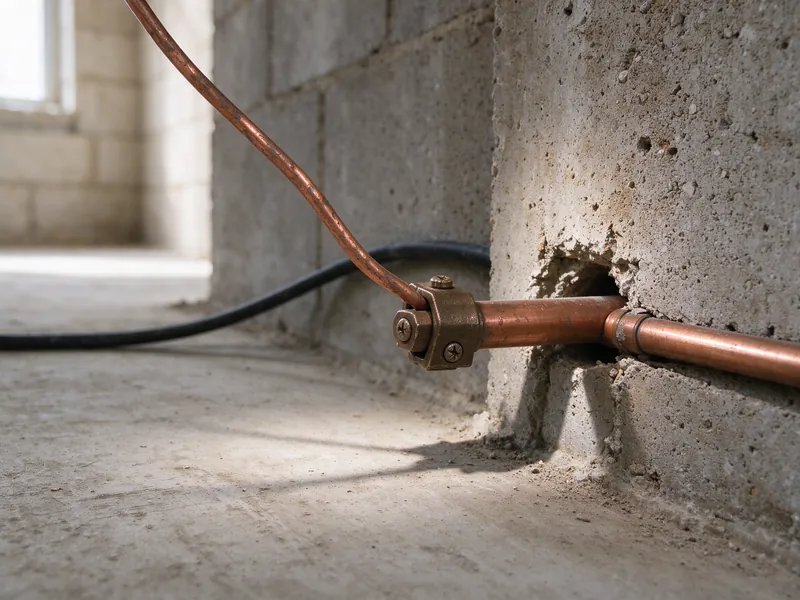
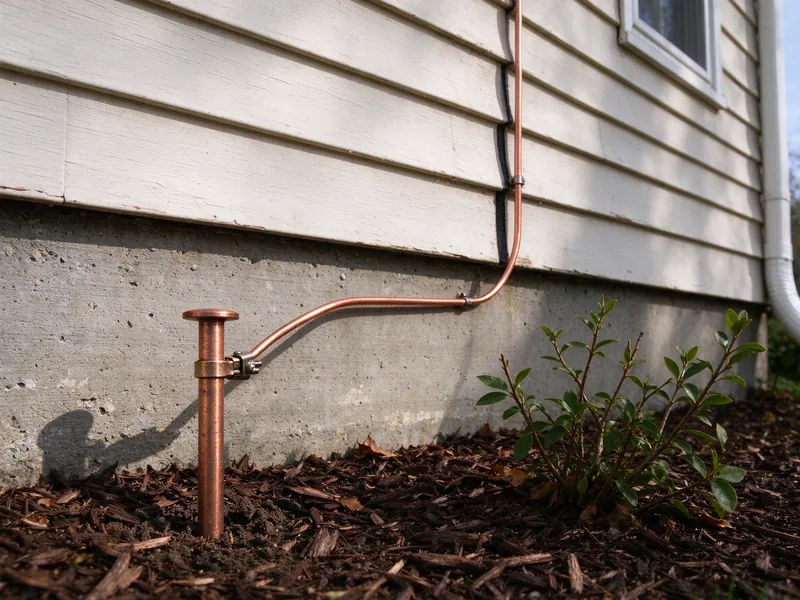
Electrical Grounding Upgrades: the work in photos
Consider access and finish repairs before choosing a route
A new circuit or conductor route can affect the building around it. An unfinished basement, attic or existing accessible path may help, while finished ceilings, framing and additions can change the work required. The contractor needs to evaluate those routes rather than promise a small device-only job from a room photograph.
Describe the finishes you want retained. Decorative trim, plaster and wallpaper may affect the preferred access point or the restoration approach. No electrical proposal should imply invisible repairs without explaining what access is anticipated and what finishing work is included.
Separate installation from restoration in the estimate. Closing an opening, matching a surface and painting are different tasks. Where another trade will perform the repairs, establish the handoff and the inspection stage that must happen before the area is concealed. This keeps the protective outcome and the return of the room to use in the same plan.
Match the proposal to the equipment and use
An appliance requirement should be evaluated using the actual equipment information and installation conditions. A general request to make an outlet work does not give the contractor enough information to establish the appropriate electrical arrangement. Provide the intended load and location before the solution is selected.
For a broader renovation, identify which circuits and devices are changing and which remain. The assessment may support a defined grounding-related scope or show that replacement wiring is part of the appropriate project. Ask the proposal to explain that connection rather than attach an unexplained grounding package to every room.
Price follows that defined work. There is no established universal price for grounding every outlet or an entire older house on this site. Circuit routes, equipment changes, access and finishing responsibilities matter. A quote should identify its inclusions and the procedure for additional findings instead of relying on an assumed per-outlet multiplier.
Know what the completed work establishes
The contractor's completion description should identify the circuits or equipment addressed and the checks included in the work. Applicable permit and inspection records need to correspond to that scope. A limited correction should not be described as modernizing every concealed electrical component in the home.
Retain the scope and approved changes with other property records. If a future renovation extends beyond the addressed circuit, the next contractor needs to know what the earlier project established and what it left untouched. Accurate boundaries are particularly important in homes with mixed old and modern wiring.
For an estimate, provide the address, the finding and any equipment specifications or reports. Do not open covers or attempt grounding tests to prepare. A qualified assessment can connect the observed concern to a defined scope without asking the homeowner to investigate the circuit.
Questions about this work
Does GFCI protection add a ground wire?
No. GFCI protection and an equipment grounding conductor have different functions. A contractor needs to establish the arrangement appropriate to the circuit, device and applicable requirements rather than describe them as the same change.
Can a three-prong outlet still be ungrounded?
The face alone does not establish the grounding arrangement. Have the relevant installation assessed. Do not remove the device or attempt live testing to determine what is behind it.
Will grounding replace damaged old insulation?
No. Correcting a grounding-related condition does not renew deteriorated insulation or resolve every previous alteration. Assessment may identify replacement wiring as part of the needed scope, but those tasks must be described separately.
Does a new panel ground the whole house?
A panel project does not by itself establish an equipment grounding path at every retained circuit. Ask which circuits and connections were addressed and what remains outside the work.
What should I provide for a grounding estimate?
Share the property location, inspection wording and the intended equipment or use. Existing electrical records can help. Photographs are useful only when taken without opening equipment or touching the installation.