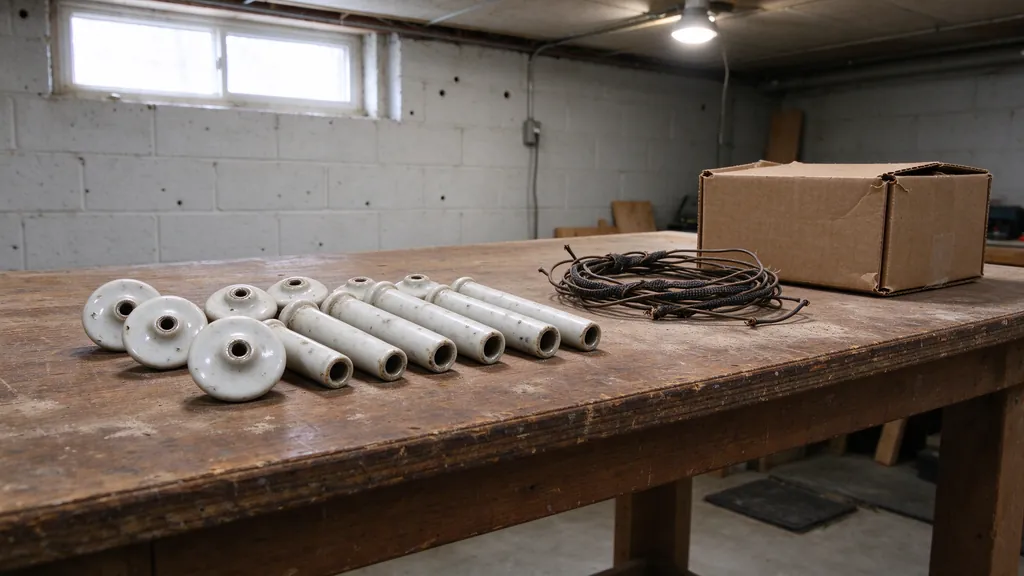
Watt Cleveland Knob and Tube offers and manages older-home electrical work in Cleveland and nearby communities. Electrical work is performed by fully licensed and insured contractors.
What does removal mean for your project?
Owners use removal to mean several different outcomes. You may want active legacy wiring replaced, abandoned material cleared from an accessible attic or every visible porcelain support taken out before another project proceeds. Those tasks can involve different electrical and physical work. A useful request explains why removal is wanted and which outcome matters.
Watt Cleveland Knob and Tube offers and manages removal and disconnection work fulfilled by fully licensed and insured contractors. Before material is disturbed, the contractor must establish the affected installation and its status within the agreed assessment. A loose wire, broken end or dusty support is not permission to pull it out. Keep the material undisturbed while the electrical scope is defined.
Retiring a circuit is more than cutting a visible wire
An old conductor can disappear into a finished cavity or connect to later alterations beyond the first place it is seen. Its electrical role needs to be understood before it is retired. A photograph cannot show every connection, and a device that appears unrelated may be supplied by the same circuit.
The proposal should identify the circuit or defined area being disconnected, the replacement work needed to serve retained loads and the checks included at completion. It should explain what is known and where access limits the investigation. If further openings are needed to establish a boundary, agree how that work will be authorized.
This is not a homeowner cleanup exercise. Do not cut, tug, unwrap or test suspected wiring. If renovation has exposed unexpected conductors, pause the affected activity and arrange a qualified assessment. Another trade should not treat visibly old material as abandoned merely because its own work needs the space.
Accessible removal and concealed material
An open basement, attic or renovation area can make physical removal practical. Conductors and supports may be reachable without opening additional finished surfaces. The contractor still needs to determine their status and the treatment appropriate to the project. Accessibility makes a task possible; it does not establish that the material is electrically inactive.
Material behind intact plaster creates a different decision. Taking out every support may require openings beyond those needed for replacement wiring. Discuss whether that physical removal is required by the applicable authority or requested for another project objective. Where disconnected material can remain, the written record should describe that condition accurately.
Do not let the words removed and replaced obscure the distinction. A circuit can be retired while some disconnected hardware remains, and a box of removed parts does not prove the entire property is free of active K&T. Define the property boundary and intended endpoint before accepting either claim.
Coordinate with demolition, insulation and restoration
Removal often occurs because another trade is about to change the building. A demolition contractor may need confirmation that the affected wiring has been addressed before removing a wall. An insulation installer may need the electrical issue resolved before covering an attic. Bring those plans to the assessment rather than treating removal as an isolated appointment.
Identify which areas the other trade will open or cover and when. Existing construction access may reduce the need for additional openings, but it can also reveal wiring extending beyond the original project boundary. The contractor should establish how that discovery affects the scope before the next trade proceeds.
Restoration responsibilities need the same clarity. Who protects retained finishes, closes electrical access cuts and removes debris? Is decorative repair part of the agreement or a separate trade? A proposal for electrical disconnection should not quietly be interpreted as a complete demolition and decorating package.
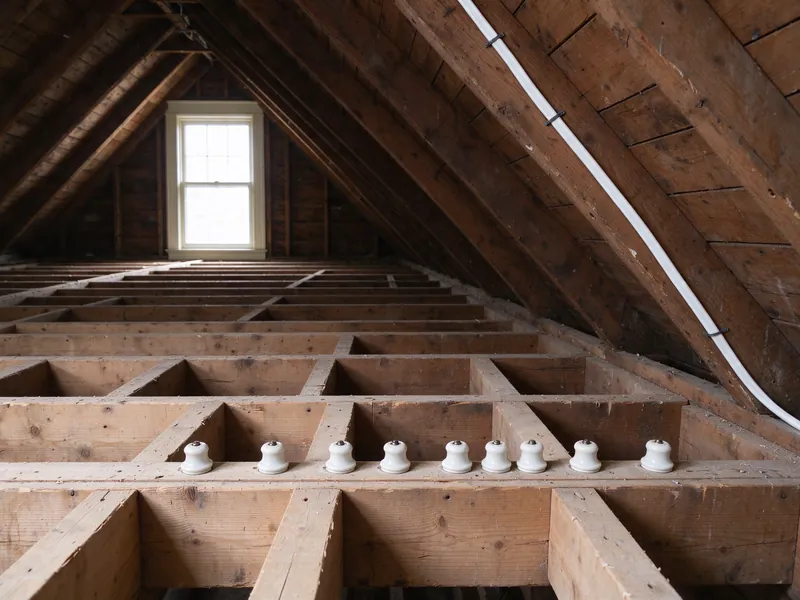
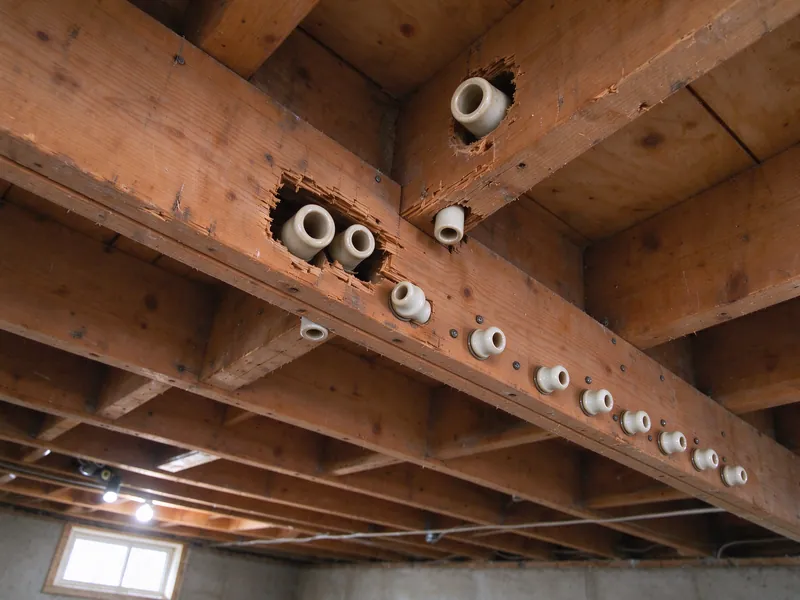
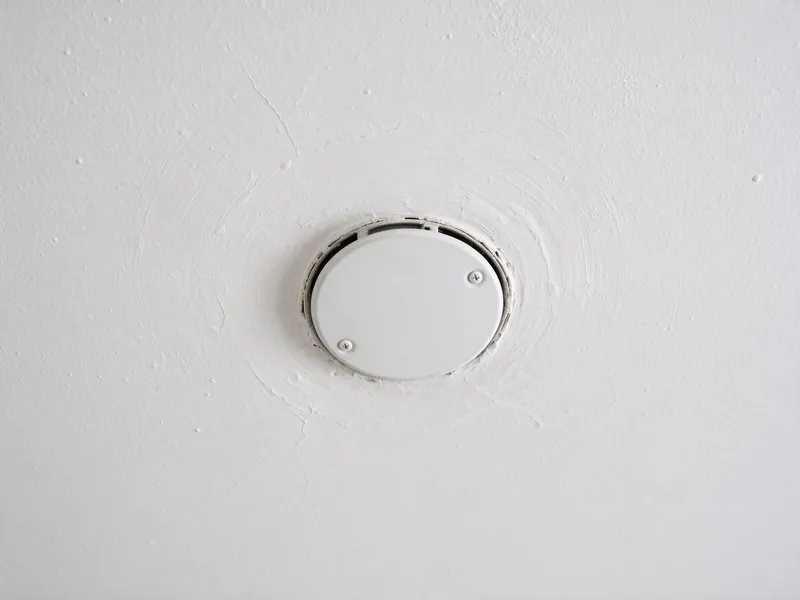
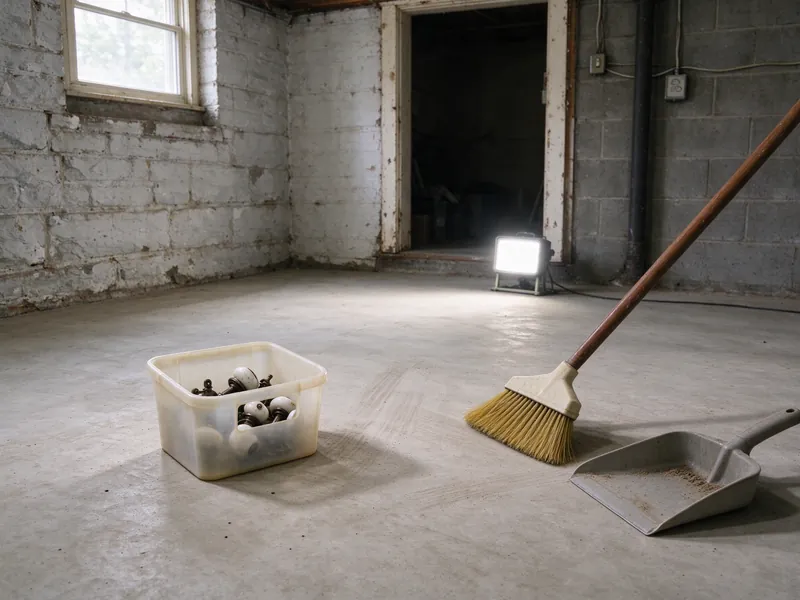
Knob and Tube Removal and Disconnection: the work in photos
Plan around shared spaces and retained loads
In a two-family or mixed-use property, the visible material may be near more than one unit's wiring. Access, ownership and the actual circuits involved need to be established. A removal request inside one apartment should not be described as clearing the building unless the broader scope has actually been assessed and completed.
Tell the contractor about occupied units, common-area lighting and equipment that needs to remain available. The proposed sequence should identify expected interruptions and the permissions needed for investigation or work. Do not assume that a disconnected-looking run can be removed without affecting another space.
Retained devices also need a defined supply plan. If an old circuit still serves lighting or receptacles that remain in use, replacement wiring may be part of the job. Physical clearance alone does not provide that replacement. Ask the proposal to explain the electrical result as well as the material taken out.
Keep evidence that describes the actual result
A completion record should identify the scope retired, what physical material was removed and any known disconnected remnants left in place. Include applicable permit and inspection information. If an insurer requested removal, share its wording before the project so the record addresses the requested outcome without making unsupported promises.
Some requests concern absence of active wiring; others seek documentation of corrective work. Those requirements should not be inferred from a general phrase in a conversation. The insurer or other requesting party decides what it accepts. A contractor cannot guarantee a policy decision based solely on its own preferred document format.
When comparing estimates, look at the same endpoint. Taking out reachable attic material differs from opening finished rooms to remove concealed hardware. New circuits, access, debris handling and restoration can each change the work. Obtain a property-specific proposal rather than assigning a standard price to every visible run.
Questions about this work
Must every old porcelain support come out?
That depends on the agreed physical scope and applicable project requirements. Retiring active wiring and extracting every disconnected support are different tasks, especially where intact finishes would need opening.
Can I pull out a wire that has a cut end?
No. A visible end does not establish the status or connections of the rest of the run. Leave suspected wiring undisturbed for professional identification and assessment.
Does removal include installing new circuits?
Only when the proposal includes replacement supply for retained devices or other defined wiring work. Ask which lights, outlets and equipment will be served afterward and how that result is achieved.
What if demolition reveals more wiring?
The newly exposed material needs assessment before assumptions are made about its status. Agree a discovery and authorization process so additional electrical work is explained before the construction scope expands.
Will photographs of removed parts prove the house is rewired?
No. They show removed material, not the full circuit inventory or concealed condition of the property. Keep a written scope and relevant inspection records that identify the work actually completed.