Gutting is not automatically necessary
An older house can sometimes be rewired using accessible basement, attic and other routes without gutting every wall. Some circuits may still require planned openings. The practical answer depends on framing, concealed obstacles, room finishes and the destinations the new wiring must reach. No-opening promises should wait for a property-specific assessment.
Watt Cleveland Knob and Tube offers and manages older-home electrical work in Cleveland and nearby communities. Electrical work is performed by fully licensed and insured contractors.
The useful planning question is not simply whether plaster can stay. It is how the electrical installation will be reached and what each room will look like afterward. A route that reduces demolition may still leave patching, decorative repair or painting that needs its own agreement.
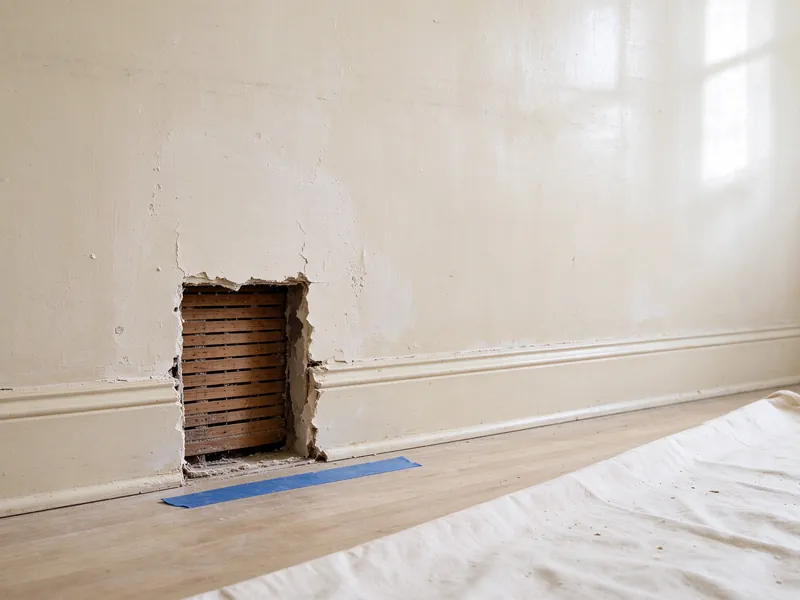
Follow the route from equipment to the room
A basement beneath a first-floor room can provide access that is unavailable above a finished ceiling. An attic may help with upper-floor lighting. Those opportunities matter, but neither proves that a complete path exists. Blocking, changes in floor levels, additions and earlier alterations can interrupt an apparently simple route.
The electrician needs to consider the actual destination as well as the accessible starting point. Reaching a ceiling fixture can involve different decisions from serving a low wall outlet. A room can contain wiring that continues into another space. Ask the assessment to identify likely routes, unresolved areas and the openings anticipated for the proposed circuit scope. A realistic explanation of those differences is more useful than a generic claim that old houses can always be fished.
Tell the contractor what you want to preserve
Original trim, decorative plaster, wallpaper, built-ins and recently refinished rooms can change the preferred access approach. Mention those priorities before the proposal is settled. A route that is convenient electrically may be undesirable if it damages a finish that is difficult to match.
Provide clear photographs of the room and surrounding surfaces when taken safely. Describe any planned renovation or decorating that could offer a coordinated opportunity. If the wall will be opened by another trade, that can change the access discussion. It should not be assumed, however, that every circuit needed for a broader replacement stays inside that construction area. The electrician must still establish how the wiring reaches rooms that will remain untouched.
An opening and a finished repair are different deliverables
Electrical access may involve an opening needed to reach a box, establish a route or investigate a concealed condition. Closing that opening is a separate task. Matching an existing plaster surface, preparing it for decoration and repainting a whole wall can be different stages with different responsibilities.
Ask the written proposal to state where the electrical contract ends. Basic patching should not be assumed to include an invisible texture match or replacement wallpaper. If a restoration contractor will follow, agree the handoff and who decides the finishing standard. Two estimates that promise minimal damage can leave very different amounts of work afterward. Compare them at the same completion point rather than judging the electrical number in isolation.
Account for older materials and required inspection access
Paint and other existing materials can introduce separate assessment and work-practice requirements when surfaces are disturbed. Do not assume that a room's appearance establishes the presence or absence of hazardous material. Discuss the building age and the surfaces affected, and identify who evaluates any concern relevant to the proposed work.
Required electrical inspections also need to fit the finishing sequence. Work should not be concealed before the applicable inspection is satisfied. Lakewood's guidance, for example, distinguishes rough-in inspection before concealment from final inspection. The authority for your address governs the process. Coordinate plaster and painting with those milestones rather than booking restoration solely from the electrician's estimated installation duration.
Make uncertainty part of the agreement
Some routes cannot be confirmed until work is underway or additional access is authorized. The proposal should identify those limits and the process for approving changes. Ask what happens if a path is blocked, whether an alternative is practical and how additional openings or restoration would be handled.
Occupied rooms also require protection and access arrangements. Discuss furniture, floors, daily room use and areas that need to be kept separate from the work. No promise of zero dust, invisible repairs or uninterrupted occupancy should replace that planning. Watt Cleveland Knob and Tube manages plaster-sensitive rewiring through fully licensed and insured contractors. Share the finishes you want to keep and the wiring objective so the access plan can support both, with clear responsibilities from the first opening to the final repair.
A quote comparison can include a room-by-room access note alongside the electrical circuit list. The note need not promise every opening in advance; it should identify sensitive surfaces and the access assumptions used for pricing. This gives both the electrician and finish contractor a shared starting point when a concealed obstacle changes the plan.
Questions about this decision
Can every wire be reached through the attic?
No. An attic can provide useful access, but framing, finished areas and circuit destinations may require other routes or openings. The assessment should establish likely paths and their limits.
Is patching automatically part of rewiring?
No. Ask the proposal to distinguish openings, basic closure, plaster matching, preparation and painting. Identify who is responsible for each finishing stage.
Can I open small areas myself before the electrician arrives?
Discuss the assessment and any material concerns first. Do not disturb wiring or painted surfaces as an investigation shortcut. The contractor can explain what access would be useful and how it should be arranged.