Watt Cleveland Knob and Tube offers and manages older-home electrical work in Cleveland and nearby communities. Electrical work is performed by fully licensed and insured contractors.
A finding needs a useful next question
A report mentions knob and tube, but leaves you wondering how much is still connected. An attic contractor has paused before insulating. Or an insurer wants an electrical assessment and the previous owner's paperwork only says updated. These situations share an uncertainty, but they may need different answers. Start by identifying the decision the assessment must support.
Watt Cleveland Knob and Tube offers and manages K&T assessment work through fully licensed and insured contractors. The proposed visit needs a defined scope: the areas reviewed, any circuit tracing included and the records requested. An informal observation during another electrical task should not be mistaken for a whole-property investigation. Tell us whether you need to understand a visible finding, define replacement work or respond to a written requirement.
Appearance and electrical status are separate
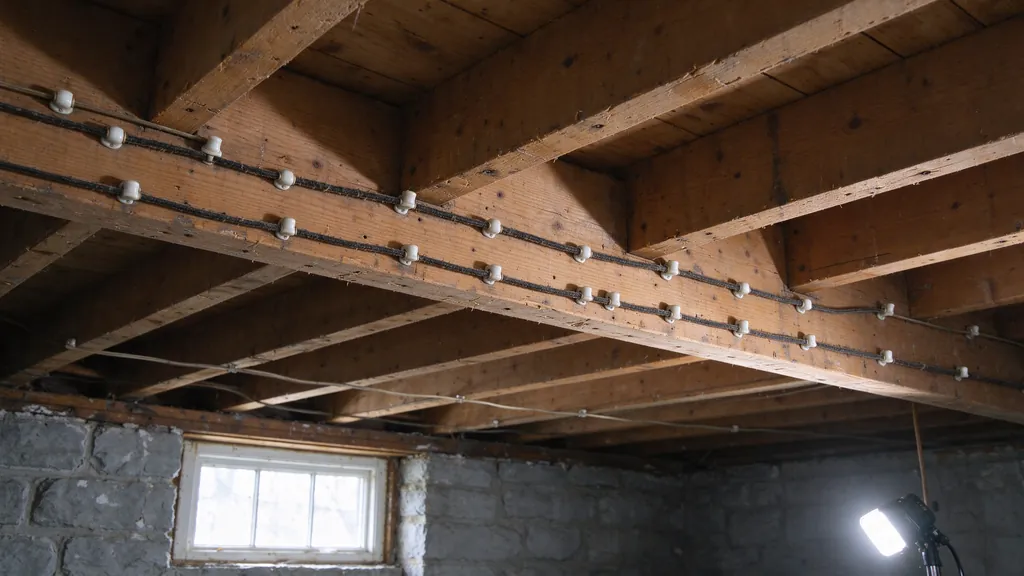
Porcelain knobs and tubes are clues to a wiring method. They can remain after conductors have been disconnected, while similar-looking wiring elsewhere may still supply a light or outlet. A loose end is not proof of abandonment, and a working device does not explain every part of the circuit serving it. Establishing active status is a professional assessment task.
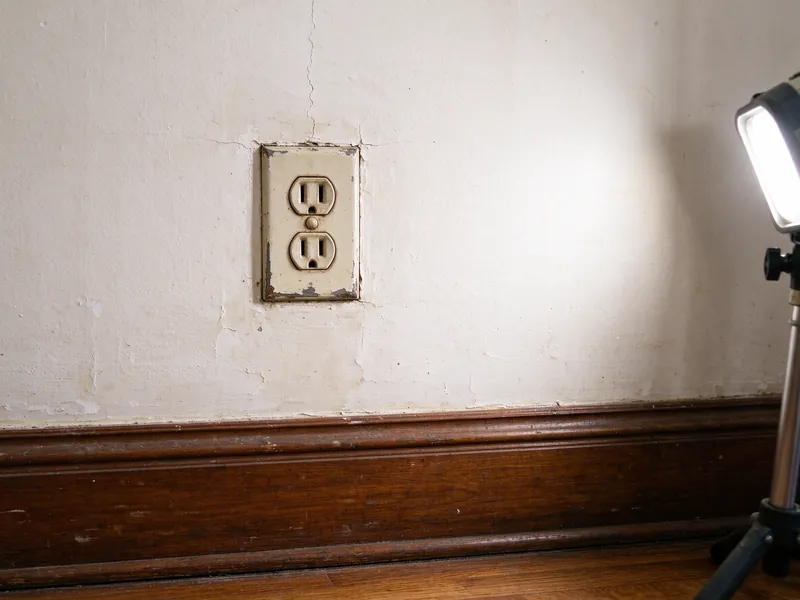
The electrician may need to investigate beyond the first photographed area. Previous alterations can leave a mix of old and new wiring, with transitions farther along the route. A newer breaker panel, recently renovated kitchen or three-prong receptacle cannot settle those concealed questions. The useful result connects the finding to the affected circuits instead of relying on visible age or recent decorating.
Do not touch conductors, remove electrical covers or move insulation to prepare evidence. Share existing photographs and reports, along with safely accessible room views. An assessment is the place to resolve uncertainty without asking the homeowner to perform electrical tests.
Agree on what the visit includes
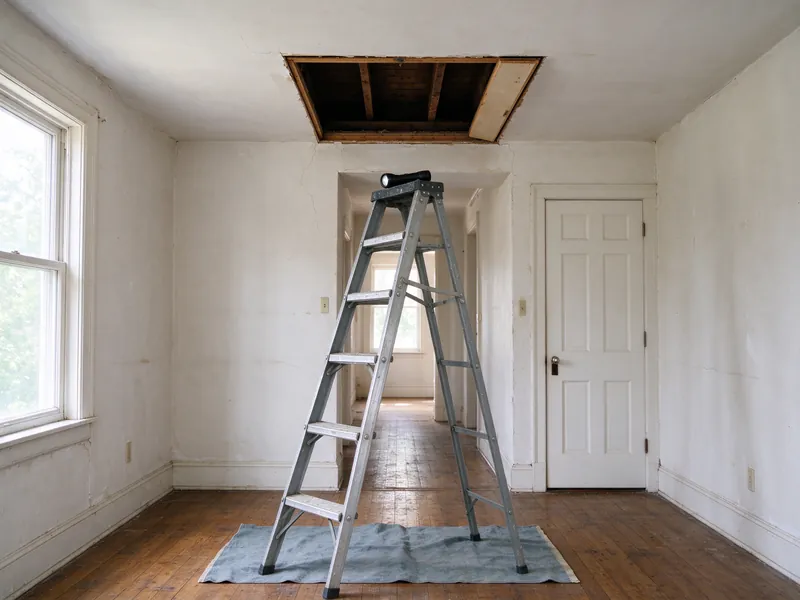
Ask which accessible spaces are part of the review. An attic-only visit and a house-wide assessment have different boundaries. Circuit tracing, checking selected devices, reviewing visible connections and preparing a written report can be separate deliverables. They should be discussed before the appointment rather than assumed from the word inspection.
The electrician needs access appropriate to the agreed work. Storage, finished ceilings, tenant permissions and locked equipment areas can limit what is established. Describe these conditions in advance. If access is restricted, the findings should say so and explain what additional investigation would involve. A report should not quietly turn an inaccessible area into a statement that nothing is present.
Also distinguish an electrical condition assessment from a municipal permit inspection or a buyer's general home inspection. Each has a different purpose. If a carrier, lender or municipality requested a particular document, obtain its wording so the proposed visit can be matched to the actual requirement.
Condition matters as well as circuit extent
An assessment can reveal more than how many rooms contain old wiring. The condition of accessible conductor insulation, supports and connections may affect the recommendation. Later modifications and the way loads are supplied can create concerns that the porcelain components alone do not show. Observations should be tied to their location and the limits of the review.
The recommendation might support defined replacement work, further investigation or a broader rewire proposal. It should explain why. A statement that everything old must go does not tell you what was established, while a vague assurance that the lights work leaves the original concern unresolved. Ask for findings that separate observed defects, inaccessible conditions and proposed improvements.
This process does not remotely diagnose concealed wiring from a photo. Nor does an assessment establish a lifetime guarantee. It records the installation and conditions reviewed within the agreed scope, giving the owner a clearer basis for the next decision.
Knob and Tube Inspection: the work in photos
Separate circuit findings from capacity and equipment checks
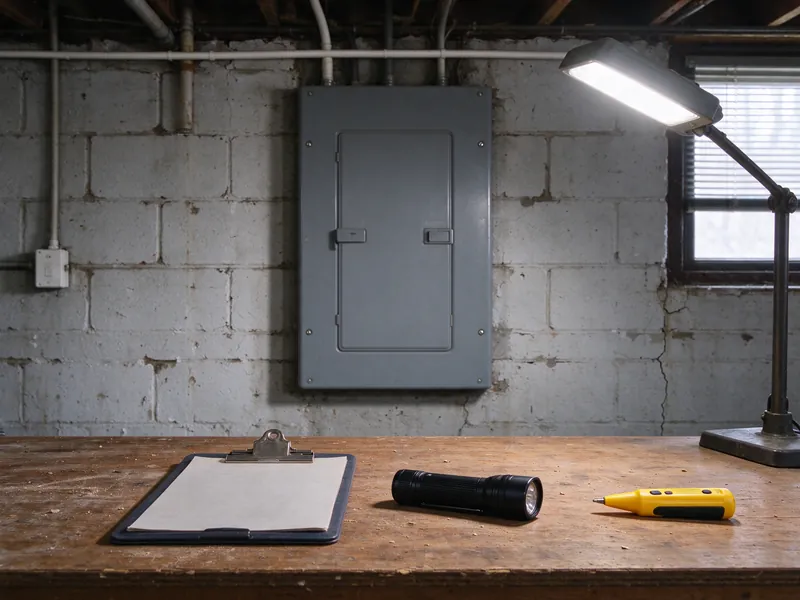
Circuit tracing answers what a conductor supplies and how the affected circuit connects. An electrical load calculation answers a different question about demand and the capacity needed for a proposed installation. Looking at a panel label alone does not supply that calculation. If new appliances, dedicated circuits or service changes are planned, ask whether load evaluation is included in the visit or priced as a separate planning task.
An accessible panel inspection, grounding review and examination of electrical junction boxes can also inform the findings. They do not provide unlimited access to concealed wiring. Ask which equipment and connections can actually be reviewed, what remains outside the assessment and how any observed concern changes the recommendation. A code assessment needs the rules applicable to this property and proposed work; it should not be described as a whole-building compliance certificate from a limited visual visit.
Make the report useful for the next person
Useful findings identify the areas reviewed, the wiring recognized, active or abandoned status where established, and limitations that remain. If replacement is recommended, the record should describe the affected scope well enough to support a proposal. A short statement without locations or boundaries may be hard for another contractor, buyer or insurer to interpret.
For partial work, ask how retained legacy wiring will be described. For an insurer, ask whether a findings report, a replacement proposal or completed-work documentation is needed. These documents answer different questions. The carrier decides what it accepts, so an assessment should never promise an underwriting result or an extension of a deadline.
Keep earlier records with the new report. A previous permit or invoice can help explain what changed, but it should not be interpreted beyond its actual scope. Documentation of a panel replacement, for example, is not documentation that the branch wiring in every room was replaced.
Turn findings into the right scope
Once the relevant circuits and conditions are understood, compare the available choices. A defined partial replacement may address an isolated affected circuit. A full K&T replacement concerns the remaining legacy circuits within the agreed property boundary. Whole-house rewiring can involve a broader redesign, including modern circuits or added device locations. The assessment should make those choices more specific.
Access and finishing work belong in that discussion. A route through an unfinished basement may affect disruption upstairs, while a concealed connection could require an opening before a firm scope is possible. Ask how further investigation would be authorized and what finishing responsibility follows it. Investigation should not expand into discretionary replacement work without an understood agreement.
When requesting the assessment, give the property location, building type and the event that raised the question. Share any insurer deadline or renovation schedule, but avoid assuming that it changes what can safely be established during one visit.
Questions about this work
Can an inspection prove the whole house has no active K&T?
Only an appropriately scoped investigation can support that conclusion, and its records must explain coverage and limitations. A check of one accessible attic or basement section should not be described as a whole-house finding.
Is circuit tracing automatically included?
Not necessarily. Ask what tracing is proposed, which areas it concerns and what happens if access prevents a clear answer. A quoted visual review and a more extensive investigation should not be treated as identical services.
Should I clear insulation away before the visit?
Do not disturb suspected wiring or insulation around it. Describe access conditions when booking the assessment so the contractor can explain how the area should be approached and whether another specialist is needed.
Will the assessment satisfy an insurance request?
That depends on the carrier’s written requirement and the findings. Obtain the wording before commissioning the document. A contractor cannot guarantee insurance acceptance, a renewal or additional time to complete work.
Can I request an estimate without knowing which wiring is active?
Yes. Explain the uncertainty and share the existing report. The first proposed service may be an assessment so the replacement estimate follows established findings rather than an assumption about the house.